

ciaralemieux03
About ciaralemieux03
Understanding Gold and Silver IRAs: A Comprehensive Study
Investing in precious metals has gained significant attention in recent years, particularly in the context of Individual Retirement Accounts (IRAs). Gold and silver IRAs offer investors a unique opportunity to diversify their retirement portfolios and hedge against economic uncertainties. This report delves into the intricacies of gold and silver IRAs, exploring their benefits, risks, and the regulatory framework governing them.
What is a Gold and Silver IRA?
A Gold and Silver IRA is a type of self-directed Individual Retirement Account that allows investors to hold physical precious metals as part of their retirement savings. Unlike traditional IRAs, which typically consist of stocks, bonds, and mutual funds, gold and silver IRAs provide a tangible asset that can serve as a store of value. The Internal Revenue Service (IRS) permits certain types of bullion and coins to be included in these accounts, provided they meet specific purity and quality standards.
Types of Precious Metals Allowed
The IRS stipulates that only certain types of gold and silver can be held in a Gold and Silver IRA. For gold, the acceptable forms include:
- American Gold Eagle coins
- Canadian Gold Maple Leaf coins
- Austrian Gold Philharmonic coins
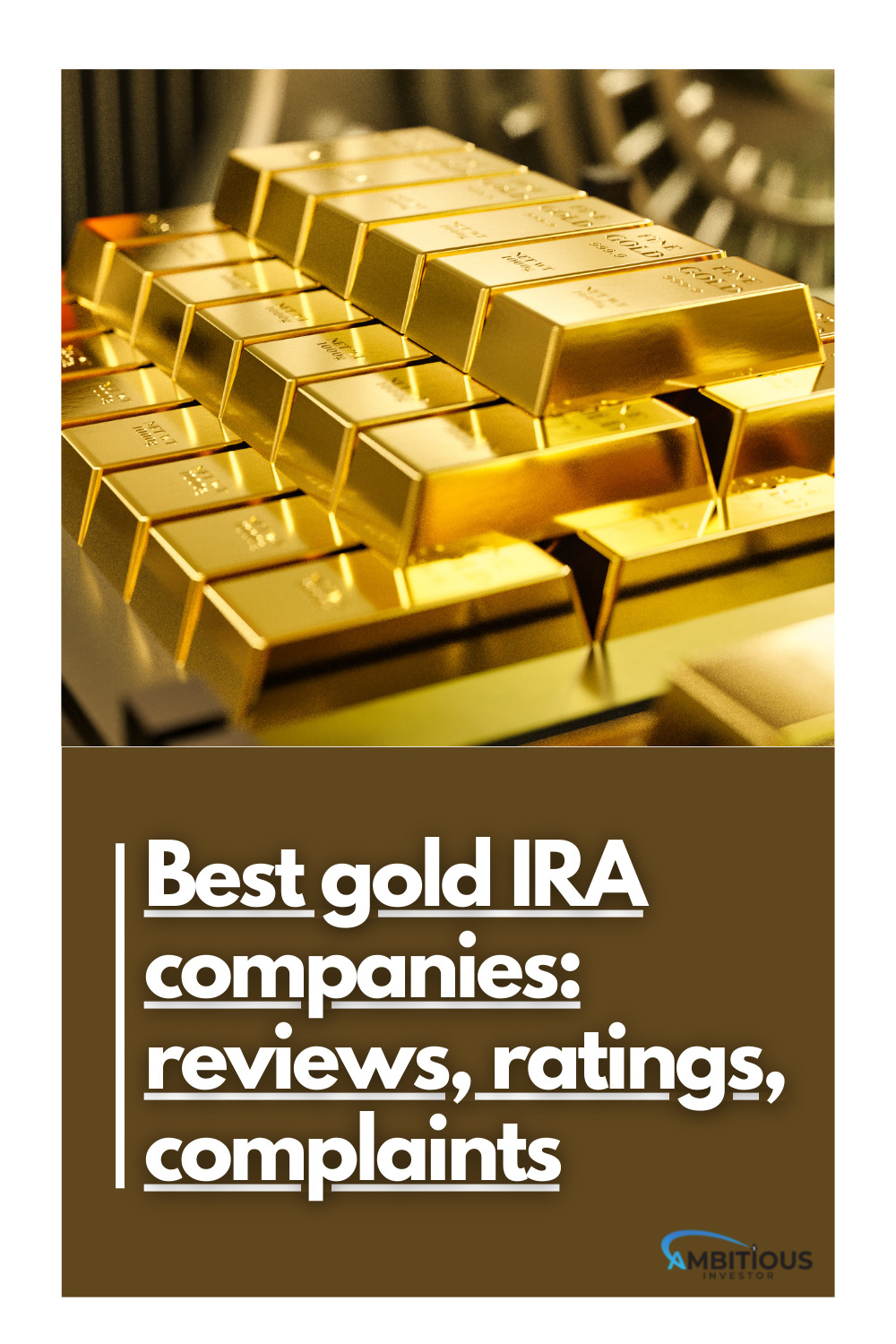
- Gold bars produced by approved refiners
For silver, acceptable forms include:
- American Silver Eagle coins
- Canadian Silver Maple Leaf coins
- Silver bars produced by approved refiners
These regulations ensure that the metals held in an IRA are of high quality and can be easily liquidated when needed.
Benefits of Gold and Silver IRAs
- Hedge Against Inflation: Precious metals have historically retained their value during periods of inflation. As the purchasing power of fiat currency declines, gold and silver often appreciate, making them a reliable hedge against inflation.
- Portfolio Diversification: Including gold and silver in an investment portfolio can reduce overall risk. Precious metals tend to have a low correlation with traditional asset classes, meaning they can provide stability during market fluctuations.
- Tangible Asset: Unlike stocks or bonds, gold and silver are physical assets that can be stored and held. This tangibility can provide peace of mind to investors who are wary of the volatility of financial markets.
- Tax Advantages: Like traditional IRAs, gold and silver IRAs offer tax-deferred growth. This means that investors do not pay taxes on gains until they withdraw funds from the account, allowing for potentially greater compound growth.
- Protection Against Economic Downturns: During economic crises, gold and silver often perform well as investors flock to safe-haven assets. This can provide a buffer for retirement portfolios during turbulent times.
Risks of Gold and Silver IRAs
- Market Volatility: While gold and silver can act as hedges, their prices can be volatile. Investors should be prepared for fluctuations in market value, which can impact the overall value of their IRA.
- Storage and Insurance Costs: Physical metals require secure storage, which can incur additional costs. Investors must also consider insurance to protect against theft or loss, adding to the overall expense of maintaining a Gold and Silver IRA.
- Limited Growth Potential: Unlike stocks, which can appreciate significantly over time due to company growth, precious metals ira metals typically do not generate income. Investors must rely solely on price appreciation for returns, which can be limiting.
- Regulatory Compliance: Gold and Silver IRAs are subject to strict IRS regulations. Failure to comply with these rules can result in penalties or disqualification of the IRA, leading to tax implications for the investor.
- Liquidity Concerns: While gold and silver are generally liquid assets, selling physical metals can take time and may not always yield the desired price. Investors should be aware of the potential challenges in liquidating their holdings.
Setting Up a Gold and Silver IRA
Establishing a Gold and Silver IRA involves several steps:
- Choose a Custodian: Investors must select a qualified custodian that specializes in precious metals IRAs. The custodian will manage the account and ensure compliance with IRS regulations.
- Fund the Account: Investors can fund their Gold and Silver IRA through various means, including rollovers from existing retirement accounts, contributions, or transfers.
- Select Precious Metals: Once the account is funded, investors can choose which gold and silver products to purchase. The custodian will facilitate the purchase and storage of the metals.
- Storage: Precious metals in an IRA must be stored in an approved depository. Investors cannot take physical possession of the metals until they withdraw from the IRA, ensuring compliance with IRS regulations.
- Monitor and Manage: Investors should regularly review their Gold and Silver IRA to ensure it aligns with their retirement goals. This may include adjusting holdings based on market conditions or personal financial situations.
Conclusion
Gold and Silver IRAs present a compelling option for investors seeking to diversify their retirement portfolios and protect against economic uncertainties. While they offer several benefits, including inflation hedging and portfolio diversification, they also come with risks that investors must consider. By understanding the intricacies of gold and silver IRAs, individuals can make informed decisions about their retirement savings and potentially secure their financial future.
As with any investment, it is crucial to conduct thorough research and consult with financial professionals before establishing a Gold and Silver IRA. By doing so, investors can navigate the complexities of this unique investment vehicle and harness the potential benefits it offers.
No listing found.