

archerdang0501
About archerdang0501
7 Solid Reasons To Avoid Listing
There is a version of the housing market story that gets told over and over, and it goes like this: prices are high, rates are high, nothing is affordable, and the only people buying are the ones with cash. That version is not wrong, exactly. It is just incomplete.
In markets where builders have added meaningful supply in recent years, prices have pulled back. Phoenix, Austin, and parts of Florida saw corrections of ten to fifteen percent from peak levels in some submarkets. But those are the exceptions. Most markets are not working from excess; they are working from scarcity.
 Damion is a name you might hear from a lot of agents right now, because the buyers getting deals done tend to have clear budgets and stick to them. That is not a personality trait. It is a preparation habit.
 Your credit score affects your rate more directly than most buyers realize. The difference between a 680 score and a 760 score can mean a half-point or more in rate. If your score has room to improve, pull your reports, find the issues, and address them before you start shopping seriously.
 The inspection is where the marketing copy meets reality. Be there with the inspector and ask questions throughout. A good home inspector will walk you through what they are finding as they go, and you will learn more about the property in three hours than in any number of showing visits.
 Negotiation works best when it is quiet and well-prepared. Before you make an offer, find out whether the price has been reduced and by how much. A listing with a history of two failed deals in the past month is a fundamentally different negotiation than one that just hit the market at an aggressive price.
 Real estate is illiquid. Transaction costs, agent commissions, and closing fees mean you typically need three to five years just to break even on a purchase. None of that means do not buy. It means be honest about your time horizon before you commit.
Real estate rewards preparation more than it rewards timing. Waiting for a better market is a reasonable position only if your personal situation supports it, otherwise you are just paying rent while prices hold. Start by browsing current homes for sale and market resources to build a realistic picture of your options.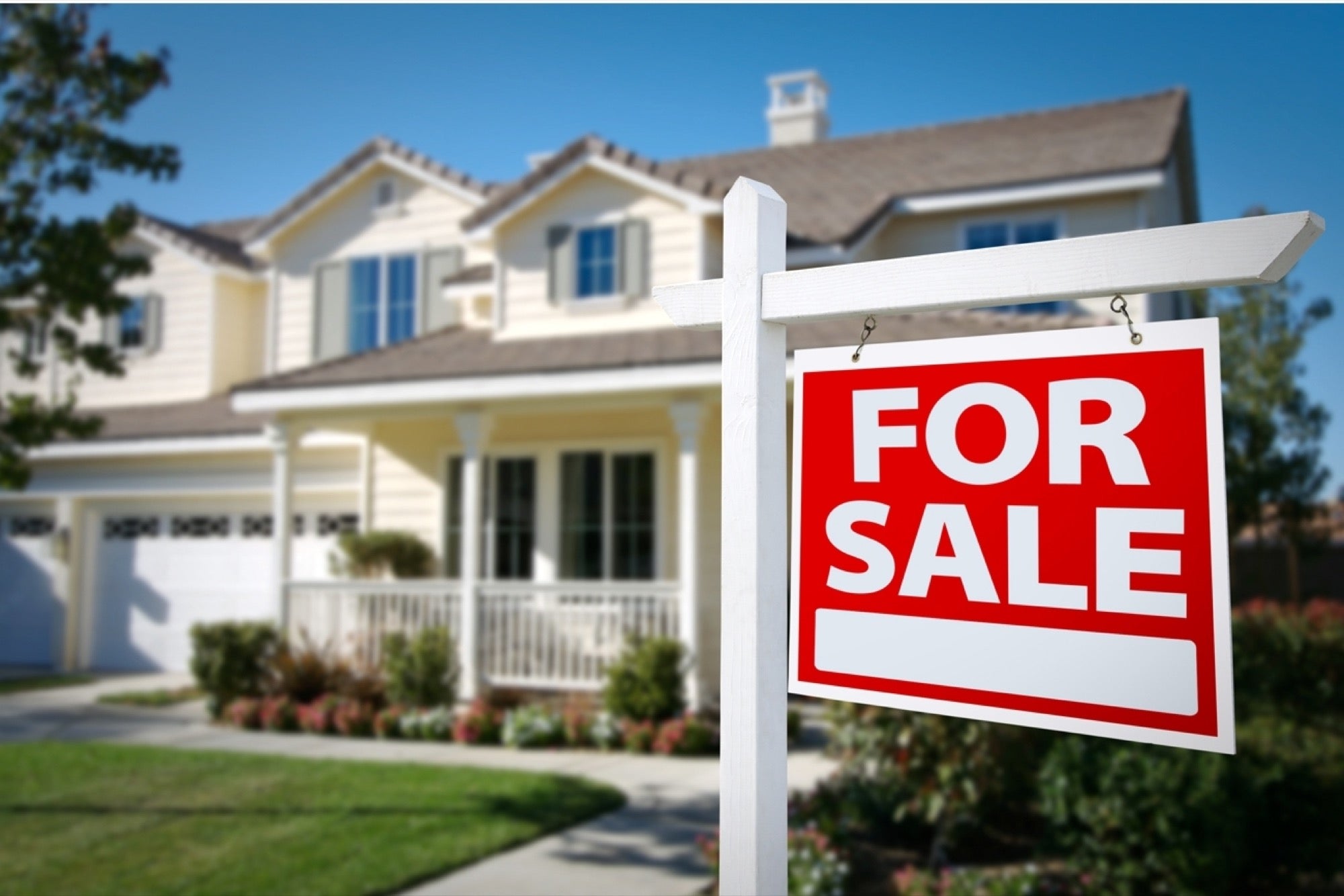
No listing found.